
How Social Media Has Changed the Way Celebrity Careers Are Built
For most of the twentieth century, the path to stardom was strictly managed. A tiny group of industry gatekeepers—film executives, record label heads, talent agents, television executives, and magazine editors—decided who received exposure and who remained unknown. To build a celebrity career, an artist had to be discovered, signed, polished, and promoted through traditional channels.
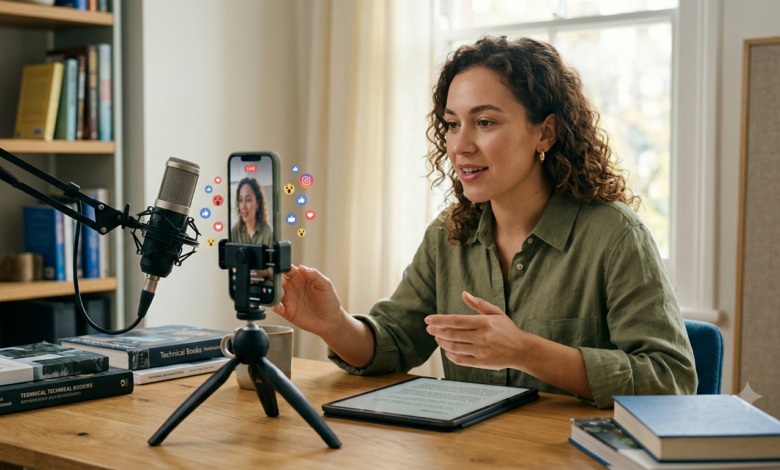
Today, social media has dismantled that traditional blueprint. Platforms like Instagram, TikTok, YouTube, X, Facebook, and emerging digital networks have completely altered the architecture of fame. Fame is no longer granted solely through a corporate greenlight; it can be cultivated independently through a smartphone and an internet connection.
This transformation goes far beyond how personalities gain initial exposure. It has redefined personal branding, career longevity, fan engagement, and the business models of the entertainment industry. While social networks have opened unprecedented avenues for global visibility, they have also introduced distinct pressures, algorithmic risks, and new privacy realities. Understanding the modern celebrity landscape requires examining how direct audience access has reshaped fame from the ground up.
Table of Contents
From Traditional Gatekeepers to Direct Audience Access
The fundamental shift in modern celebrity culture is the loss of monopoly by traditional gatekeepers. In earlier decades, an aspiring singer needed a record deal to distribute music, and an actor needed a casting director to land a screen test. Print magazines and talk shows were the primary bridges between public figures and their audiences.
Social platforms removed those intermediaries by giving creators direct distribution channels. An artist can upload a track to TikTok or YouTube and reach millions of listeners without a record label’s backing. An actor can showcase comedic timing through short-form sketches, building a dedicated fanbase before ever stepping into an audition room.
Traditional Path:   Talent -> Gatekeeper Discovery -> Corporate Support -> Mass Media -> Fanbase
Modern Path:        Creator -> Digital Content -> Direct Audience Access -> Multi-Industry Opportunities
This direct access changes the power dynamics of the entertainment industry. When a creator approaches a talent agency or studio today, they often arrive with a built-in, measurable audience. Mainstream networks and media companies no longer serve as the sole originators of stardom; instead, they frequently act as amplifiers for personalities who have already proven their appeal online.
How Viral Moments Can Launch Careers
The mechanics of viral content have created a fast track to public recognition. A single 15-second video, a clever meme, or a viral dance challenge can generate tens of millions of views overnight. This rapid exposure allows previously unknown individuals to bypass years of regional touring, local theater, or entry-level industry gigs.
Viral moments serve as powerful catalysts, but they operate as double-edged swords:
-
Instantaneous Global Reach: Algorithmic recommendation feeds present content to millions based on viewer interest rather than existing social connections.
-
Democratized Opportunity: Talent from geographically isolated regions or non-traditional backgrounds can achieve mainstream visibility.
-
The Transience Problem: A viral moment creates brief curiosity, not necessarily a sustainable career. Without strategic follow-up, rapid visibility can fade as quickly as it arrived.
Converting a moment of viral fame into a long-term career requires transitioning viewers from casual spectators into active, invested followers.
The Rise of the Creator-to-Celebrity Path
The boundary between a digital content creator and a traditional celebrity has blurred significantly. Creators who began on platforms like YouTube, TikTok, Twitch, or Instagram regularly transition into traditional media, corporate boardrooms, and global brands.
  Phase 1: Niche Content
  [Publishing videos, building a core audience, establishing a style]
           │
           ▼
  Phase 2: Platform Scale
  [Multi-platform presence, high engagement metrics, monetization]
           │
           ▼
  Phase 3: Crossover Opportunities
  [Mainstream media roles, book deals, brand sponsorships, hosting]
           │
           ▼
  Phase 4: Institutional Enterprise
  [Launching product lines, venture capital, executive production]
This creator-to-celebrity pipeline has reshaped several entertainment sectors:
Film and Television
Studios increasingly cast digital creators in major feature films, streaming series, and reality programs. While acting talent remains essential, a creator’s existing distribution power offers built-in marketing that reduces promotional costs for studios.
Music Industry
Record labels routinely scout platforms like TikTok and YouTube to identify breakout musical talent. Artists who build organic momentum online frequently secure major label deals with greater leverage over their creative terms.
Entrepreneurship and Business
Prominent creators are building long-term equity by launching direct-to-consumer businesses—spanning fashion lines, beverage brands, and software ventures—leveraging their direct relationship with consumers.
Personal Branding Has Become Essential
In the traditional model, a celebrity’s image was carefully curated by publicists and studio executives through controlled press releases and polished magazine features. Today, celebrity personal branding requires continuous, active participation across digital platforms.
Modern personal branding relies heavily on perceived authenticity. Audiences favor raw, unscripted content over overly polished studio promotions. Behind-the-scenes vlogs, spontaneous livestream Q&A sessions, and candid commentary foster a sense of intimacy—often referred to as a parasocial relationship—where fans feel personally connected to the public figure.
This direct communication allows public figures to tell their own stories. When rumors or controversies arise, celebrities no longer need to wait for a formal PR statement or an exclusive interview; they can publish a direct response to their platforms, controlling their narrative in real time.
Social Media and Entertainment Opportunities
Social media metrics—such as follower counts, engagement rates, and audience demographics—have become key considerations in the entertainment economy. According to industry analyses by firms like Goldman Sachs and Research and Markets, the global creator economy has expanded into a market valued at over $250 billion, turning social clout into a major economic engine.
┌─────────────────────────────────────────────────────────┐
│            Digital Audience Foundation                  │
└────────────────────────────┬────────────────────────────┘
                             │
       ┌─────────────────────┼─────────────────────┐
       ▼                     ▼                     ▼
┌──────────────┐      ┌──────────────┐      ┌──────────────┐
│  Endorsements│      │ Media & Roles│      │  Equity &    │
│  & Equity    │      │  & Publishing│      │ Direct Sales │
└──────────────┘      └──────────────┘      └──────────────┘
This monetization infrastructure provides celebrities with diversified revenue streams:
-
Brand Partnerships & Endorsements: High-tier sponsored posts and long-term brand ambassador roles allow public figures to monetize their personal image independently of traditional projects.
-
Equity & Co-Ownership: Rather than accepting flat promotional fees, established personalities often trade platform promotion for equity stakes in startups, consumer goods, and tech platforms.
-
Direct-to-Fan Products: Subscription services, digital merchandise, podcasts, and exclusive fan clubs enable celebrities to generate predictable, recurring income directly from their core supporters.
Fans Have More Influence Than Ever
In the current media ecosystem, fans are active participants rather than passive consumers. Fan communities assemble across platforms to organize streaming campaigns, trend hashtags, curate fan art, and track talent projects in detail.
       Fan Sentiment & Engagement
                   │
                   ▼
       Platform Trend Metrics
  (Hashtags, Shares, Audio Usage)
                   │
                   ▼
    Industry Commercial Decisions
(Greenlights, Casting, Sponsorships)
This audience power directly shapes industry decisions. A strong online fan backing can revive canceled television shows, drive indie film distribution, or compel fashion houses to partner with emerging figures. However, high audience involvement also means public figures face immediate feedback. Online reactions can instantly signal approval or criticism, forcing celebrities and brands to remain attentive to public sentiment.
The Algorithm Factor
Building a career on social media means operating within platform recommendation algorithms. Algorithms evaluate millions of signals—watch time, completion rates, shares, and comment volume—to decide which content reaches users’ feeds.
| Opportunities of Algorithmic Reach | Operational Risks |
| Organic Discovery: Enables non-established creators to reach millions without advertising spend. | Unannounced Updates: Platform adjustments can dramatically drop views overnight. |
| Interest-Based Targeting: Connects niche content directly with highly specific global audiences. | Audience Lock-In: A creator’s audience on one platform rarely migrates fully to another platform. |
| Trend Acceleration: Pushes high-performing content into viral discovery loops rapidly. | Format Pressure: Platforms often prioritize new features (e.g., short-form video), forcing creators to constantly adjust their content style. |
Because creators do not own the underlying platform infrastructure, depending solely on algorithmic distribution carries long-term career risk. Sustainable digital celebrity careers usually require driving platform audiences onto owned properties, such as email lists, independent websites, or direct fan memberships.
The Challenges of Building a Career Online
While social media has lowered barriers to entry, it has also introduced demanding mental, professional, and ethical challenges for public figures.
                  ┌───────────────────────────────┐
                  │ Always-On Content Requirement │
                  └───────────────┬───────────────┘
                                  │
         ┌────────────────────────┼────────────────────────┐
         ▼                        ▼                        ▼
┌─────────────────┐      ┌─────────────────┐      ┌─────────────────┐
│ Creator Burnout │      │ Privacy Erosion │      │ Online Backlash │
│   & Fatigue     │      │  & Surveillance │      │ & Misinformation│
└─────────────────┘      └─────────────────┘      └─────────────────┘
Online Criticism and Public Scrutiny
With public profiles comes continuous scrutiny. Minor oversights, past statements, or misinterpretations can escalate into viral call-outs and public boycotts, commonly known as cancel culture.
Misinformation and Deepfakes
Public figures increasingly deal with unverified rumors, clickbait, and unauthorized AI-generated images or audio. Managing personal reputation against misattributed statements or deepfakes requires constant vigilance and legal monitoring.
Privacy Boundaries and Safety
Maintaining an approachable online presence can blur the line between public life and personal privacy. High-profile personalities frequently face online harassment, invasive fan tracking, and safety concerns.
Constant Visibility and Mental Burnout
Platform algorithms reward consistent posting. Taking an extended break can reduce algorithmic visibility, creating pressure on creators to continuously document their lives. This environment often leads to creative fatigue and mental burnout.
Why Staying Relevant Is Different Now
Relevance used to be tied to clear entertainment cycles: movie releases, album drops, or television seasons. Between projects, celebrities could step back from the public eye without losing their career standing.
In the digital era, public attention cycles move rapidly. With constant streams of content competing for viewer focus, long absences can reduce visibility. Staying relevant now requires ongoing content strategy, active engagement with current cultural trends, and adapting to new digital formats.
The Future of Celebrity Careers
The evolution of celebrity culture is tied to technological shifts. Several emerging developments are shaping the next phase of fame:
-
AI-Assisted Production & Virtual Personalities: Synthetic tools streamline editing, translation, and production workflows, while fully virtual creators build independent followings.
-
Hyper-Niche Stardom: Mass-market fame is increasingly giving way to specialized micro-celebrities who maintain deeply engaged followings within specific subcultures.
-
Direct-to-Community Platforms: Creators are moving beyond traditional public feeds into private broadcast channels, private Discord communities, and paid subscription platforms to build stable fan networks.
-
Social Commerce Integration: In-app purchasing and livestream shopping blur the distinction between content creation, entertainment, and retail.
Social media has fundamental shifts in how celebrity careers are created, managed, and sustained. By removing traditional gatekeepers, social platforms have democratized visibility and allowed talent to connect directly with global audiences. Today’s public figures can build multi-faceted personal brands, land major industry roles, and secure creative independence on their own terms.
However, this open-access model brings new responsibilities. The pressures of algorithmic shifts, public scrutiny, privacy concerns, and constant content demands require strategic career management. As entertainment technology evolves, the most successful figures will be those who balance authentic audience connection with strong professional boundaries and long-term business strategy.


