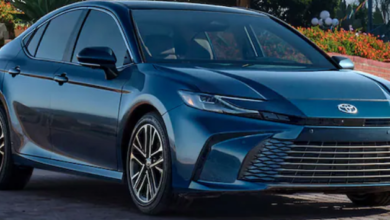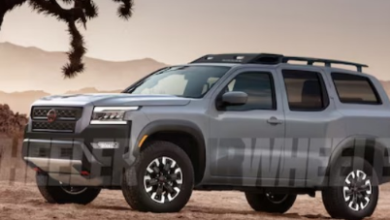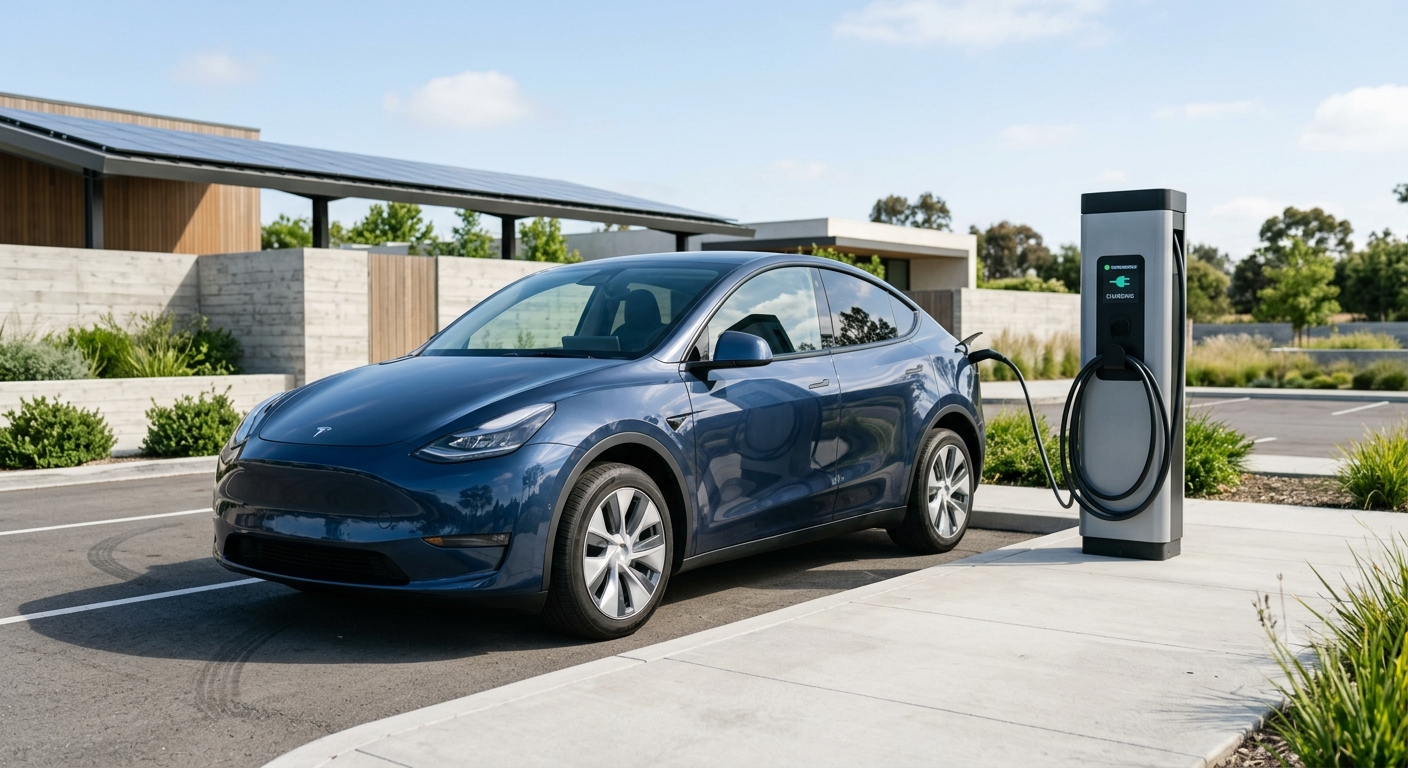
The automotive landscape is undergoing a structural transition. While early electric vehicle (EV) adoption was largely driven by early adopters and tech-savvy enthusiasts, mainstream car buyers are now entering the market. As automakers refine their production platforms, the discussion around electric cars is shifting from basic feasibility to refined execution.
The next generation electric vehicles entering the market represent a significant step forward from earlier models. Future vehicles are addressing core consumer concerns, including highway driving range, winter battery degradation, charging speed, and long-term ownership costs. Understanding how EV technology is advancing—and separating engineering reality from marketing hype—helps prospective buyers make informed decisions.
+-----------------------------------------------------------------------------------+
|                            EV EVOLUTION AT A GLANCE                               |
+--------------------------------------------------+--------------------------------+
| FEATURE                                          | NEXT-GEN EV ADVANCEMENT        |
+--------------------------------------------------+--------------------------------+
| Primary Battery Chemistry                        | High-Density LFP & Sodium-Ion  |
| System Architecture                              | Dedicated 800V Platforms       |
| 10%–80% Charging Time                            | 10 to 18 minutes               |
| Primary Vehicle Software                         | AI-Assisted Energy & Thermal   |
| Grid Integration                                 | Bi-Directional V2H & V2G       |
+--------------------------------------------------+--------------------------------+
Table of Contents
Key Takeaways
-
Affordability parity is improving: Lower raw material costs and cell-to-pack engineering are narrowing the price gap between electric models and internal combustion engines.
-
Charging speed is prioritizing range size: 800-volt charging architectures are becoming standard, reducing 10%-to-80% charge stops to under 18 minutes on compatible DC fast chargers.
-
Solid-state batteries are on the horizon, not here yet: While solid-state technology promises higher energy density and safety, mass-market adoption remains several years away; advanced lithium-ion and LFP chemistries will power most near-term EVs.
-
Software defines the long-term experience: Artificial intelligence (AI), predictive thermal routing, and over-the-air (OTA) updates are enhancing vehicle efficiency and resale value retainment.
-
Bi-directional charging adds home utility: Vehicle-to-Home (V2H) capabilities are transforming cars into backup home power units during grid outages.
Longer Driving Range: Efficiency over Mass
Early electric cars relied on larger, heavier battery packs to achieve usable driving range. However, adding physical weight to a vehicle diminishes overall efficiency, increases tire wear, and drives up vehicle costs. The next generation of EVs focuses on maximizing energy density and overall powertrain efficiency rather than simply installing larger batteries.
Current Lithium-Ion (200–250 Wh/kg)  ---> Standard range (~250–300 miles)
Advanced LFP / NMC (280–350 Wh/kg)   ---> Optimized range with lower pack weight
Solid-State Batteries (400–500 Wh/kg)---> High-performance / Long-range applications
Improvements in Energy Density
Energy density measures how much electrical energy a battery pack can store relative to its weight and volume. Advanced nickel-manganese-cobalt (NMC) chemistries and refined cell design allow manufacturers to squeeze more kilowatt-hours (kWh) into smaller, lighter enclosures. For drivers, this translates to increased usable range without adding excessive curb weight.
Mitigation of Range Anxiety
While EPA and WLTP range ratings are helpful benchmarks, real-world driving range is heavily influenced by speed, elevation, ambient temperature, and cabin heating load. Next-generation thermal management systems—such as heat pumps paired with direct-refrigerant battery cooling—minimize winter range loss, giving drivers more predictable highway performance year-round.
Faster Charging and 800-Volt Architecture
For many drivers, how fast a car charges on a road trip is more important than how far it can travel on a single charge. The automotive industry is rapidly transitioning from standard 400-volt electrical platforms toward 800-volt (and higher) system architectures.
+------------------------------------------------------------------------------------+
|                      CHARGING SPEED AND ARCHITECTURE MATRIX                        |
+--------------------------+----------------------------+----------------------------+
| METRIC                   | 400V ARCHITECTURE (LEGACY) | 800V ARCHITECTURE (NEXT-GEN)
+--------------------------+----------------------------+----------------------------+
| Peak DC Fast Charge Rate | 100 kW – 150 kW            | 250 kW – 350+ kW           |
| 10% to 80% Charge Time   | 30 – 45 minutes            | 12 – 18 minutes            |
| Cable Heat Generation    | High (Requires thicker     | Low (Sustains peak power   |
|                          | heavy cables)              | with lighter cabling)      |
+--------------------------+----------------------------+----------------------------+
High-voltage architectures allow EVs to accept peak charge rates above 250 kW without generating excessive heat. Higher voltage allows current (amperage) to stay low during charging, keeping cable weight manageable and enabling flatter charging curves. As a result, stopping at a DC fast charger during a road trip is increasingly comparable to a standard rest-stop break.
Network reliability is also improving. The convergence toward standardized physical connectors (such as the North American Charging Standard / NACS) and automated “Plug & Charge” payment protocols reduces system failures at public stations.
Next-Generation Battery Technology: Fact vs. Expectations
Batteries remain the single most critical component in any electric vehicle. While headline-grabbing breakthroughs are frequent, commercializing battery technology requires years of automotive-grade safety testing and factory scaling.
                 BATTERY TECHNOLOGY DEVELOPMENT HORIZON

  [NOW MATURE]                 [CURRENT ROLLOUT]           [FUTURE HORIZON]
  • Standard LFP               • High-Density LFP          • Solid-State (Pilot)
  • Liquid NMC                 • Cell-to-Pack (CTP)        • Sodium-Ion (Entry-level)
  • 400V Systems               • 800V Systems              • Silicon-Anode Advanced
Refined Lithium-Ion and LFP Chemistries
Lithium Iron Phosphate (LFP) batteries have gained massive global market share due to their exceptional cycle life, high thermal stability, lower manufacturing costs, and elimination of nickel and cobalt. While traditional LFP packs had lower energy density than NMC alternatives, recent innovations like cell-to-pack (CTP) structural designs bypass internal module housings, squeezing high cell volume directly into the chassis.
Solid-State Batteries: Timeline and Reality
Solid-state batteries substitute the liquid electrolyte found in traditional lithium-ion cells with a solid material (such as ceramic or polymer).
-
Potential Benefits: Near-immunity to thermal runaway fire risks, theoretical energy densities exceeding 450 Wh/kg, and faster charge acceptance.
-
Manufacturing Challenges: Solid-state cells remain extremely difficult to produce at scale without micro-cracks forming during expansion and contraction cycles. High initial production costs also present an obstacle.
-
Realistic Timeline: Major automakers plan limited, low-volume production of solid-state equipped luxury vehicles in the late 2020s, with widespread mass-market adoption occurring further down the road.
Lower Prices and Total Cost Parity
Historically, EVs commanded a high price premium over equivalent gasoline vehicles. That upfront price gap is narrowing as cell prices moderate and manufacturing efficiencies improve.
+------------------------------------------------------------------------------------+
|                         EV COST REDUCTION DRIVERS                                  |
+----------------------------+-------------------------------------------------------+
| DRIVER                     | PRACTICAL CONSUMER BENEFIT                            |
+----------------------------+-------------------------------------------------------+
| Gigacasting & Unibody      | Reduces dozens of stamped parts into single large     |
| Structural Modules         | castings, cutting assembly labor and car weights.     |
| Dedicated EV Platforms     | Maximizes cabin space while reducing manufacturing    |
|                            | complexity across multiple vehicle models.            |
| Lower Raw Material Prices  | Stabilized lithium and iron pricing directly lowers   |
|                            | total pack-level assembly costs.                 |
+----------------------------+-------------------------------------------------------+
As battery cost per kilowatt-hour drops toward critical industrial thresholds, purchase price parity between comparable electric and gas models becomes attainable without relying solely on government incentives. Combined with lower ongoing fuel costs and reduced mechanical maintenance (no engine oil, spark plugs, or exhaust systems), the total cost of ownership (TCO) strongly favors high-mileage EV drivers over a 5-to-7-year ownership window.
Smarter Software, AI, and Connected Features
Modern electric cars function as connected software platforms on wheels. Advanced software controls everything from battery cell balancing to driving dynamics.
       +---------------------------------------------------------------+
       |             CENTRAL VEHICLE DOMAIN CONTROLLER                 |
       +-------------------------------+-------------------------------+
                                       |
          +----------------------------+----------------------------+
          |                            |                            |
          v                            v                            v
  [BATTERY & THERMAL]          [DRIVER ASSISTANCE]          [OVER-THE-AIR]
  • Route precondition         • Adaptive cruise            • Feature upgrades
  • Energy forecasting         • Lane centering             • Security patches
  • Range estimation           • Collision avoidance        • Bug fixes
AI-Driven Energy Management
Next-generation software utilizes machine learning to continuously optimize energy consumption. By combining terrain data, ambient temperature, traffic flow, and individual driving style, onboard software calculates real-world arrival battery state-of-charge with high accuracy. Additionally, intelligent navigation systems automatically route vehicles to fast chargers and pre-condition (heat or cool) the battery pack en route to ensure maximum charging speed upon arrival.
Predictive Maintenance and Over-the-Air (OTA) Updates
Integrated sensors continuously monitor motor temperature, battery cell variance, brake pad wear, and suspension component health. Predictive algorithms alert drivers to potential issues before mechanical failure occurs. Over-the-air updates allow automakers to improve vehicle efficiency, refine power delivery, adjust infotainment features, and patch security vulnerabilities remotely without requiring a trip to a dealership service department.
Performance, Motor Efficiency, and Aerodynamics
Electric powertrains offer immediate torque delivery and smooth acceleration. Next-generation EVs build on these inherent mechanical strengths while refining efficiency at higher speeds.
-
Advanced Electric Motors: Silicon carbide (SiC) inverters and permanent magnet/induction motor combinations reduce energy conversion losses, maximizing power transfer from battery to wheels.
-
Blend-Braking Systems: Modern electro-hydraulic brake systems smoothly transition between regenerative braking (converting kinetic energy back into electrical charge) and friction braking, extending brake component lifespan while maximizing range.
-
Aerodynamic Optimization: Active grille shutters, flush door handles, flat underbody pans, and aero-optimized wheels reduce drag coefficients below 0.22 Cd, directly lowering highway energy consumption.
Vehicle-to-Home (V2H) and Grid Integration
One of the most valuable advancements in the next generation electric vehicles segment is bi-directional charging capability. Traditional EVs only draw power from the electrical grid; bi-directional vehicles can reverse that energy flow.
+------------------------------------------------------------------------------------+
|                         BI-DIRECTIONAL POWER FLOW                                  |
+-----------------------+------------------------------------------------------------+
| TECHNOLOGY            | APPLICATION                                                |
+-----------------------+------------------------------------------------------------+
| Vehicle-to-Load (V2L) | Powers tools, appliances, or camping gear via onboard AC   |
|                       | outlets directly from the car's battery.                   |
| Vehicle-to-Home (V2H) | Feeds electricity back into a residential breaker panel    |
|                       | to power an entire home during grid outages.               |
| Vehicle-to-Grid (V2G) | Exports stored power back to the public utility grid during|
|                       | peak demand periods, earning energy credits.               |
+-----------------------+------------------------------------------------------------+
A standard passenger EV equipped with a 75 kWh battery stores enough electricity to power an average single-family home for three to five days during an emergency. V2H technology turns a parked vehicle into a resilient home backup generator without the noise or emissions of gasoline units.
Sustainability, Material Sourcing, and Recycling
As the global EV fleet expands, environmental scrutiny has shifted from tailpipe emissions to supply chain sourcing and end-of-life battery disposal. Automotive manufacturers are responding with clearer sustainability practices:
-
Closed-Loop Recycling: Industrial recyclers can now recover over 95% of critical metals—including lithium, nickel, cobalt, and copper—from spent batteries, feeding them directly back into secondary supply chains.
-
Second-Life Batteries: Cells that drop below 70% to 80% capacity for automotive use are repurposed for stationary energy storage systems, supporting solar and wind farm installations.
-
Ethical Sourcing Standards: Blockchain tracking and stringent supplier audits help verify that battery minerals are mined under fair labor and environmental practices.
What Buyers Should Consider Before Purchasing
Selecting the right vehicle requires matching technology to individual driving habits and living arrangements.
+------------------------------------------------------------------------------------+
|                           EV BUYER CHECKLIST                                       |
+--------------------------+---------------------------------------------------------+
| FACTOR                   | KEY CONSIDERATIONS                                      |
+--------------------------+---------------------------------------------------------+
| Home Charging Access     | Do you have access to a dedicated 240V Level 2 outlet or|
|                          | garage charging arrangement at home?                    |
| Real-World Range Needs   | Does the rated range cover your daily commute plus winter|
|                          | climate range penalties without relying on public DC fast|
|                          | chargers every day?                                     |
| Public Charging Network  | Are there fast-charging stations along your primary     |
|                          | highway routes?                                         |
| Total Ownership Cost     | Have you calculated home electricity rates versus gas   |
|                          | prices, plus insurance rates for the specific vehicle?  |
| Battery Warranty Terms   | Does the manufacturer offer coverage for capacity loss  |
|                          | (e.g., retaining 70% capacity over 8 years/100,000 mi)? |
+--------------------------+---------------------------------------------------------+
The Future of EV Ownership
The ownership experience over the next decade will focus heavily on convenience, integration, and predictability. Public charging networks will continue expanding across major transport corridors, reducing route planning effort for long road trips. Software ecosystems will handle charging sessions, home energy balancing, and remote diagnostics autonomously.
For consumers, evaluating next generation electric vehicles means prioritizing personal usage patterns over peak specifications. A vehicle with a smaller, highly efficient battery pack that charges quickly is often a smarter, more cost-effective choice than an oversized model with unnecessary battery capacity. By focusing on real-world charging access, actual commuting distances, and total cost of ownership, prospective buyers can select a vehicle that fits seamlessly into their daily lives.
FAQ Section
1. Are next-generation EVs worth waiting for, or should I buy now?
If your current vehicle needs replacement or you have reliable home charging, current-generation EVs already offer excellent range, safety, and reliability. However, if you frequently take long road trips in remote areas, waiting for models equipped with native 800V charging architectures and expanded public charging network access may offer additional convenience.
2. How long will the batteries in next-generation electric vehicles last?
Modern battery packs are engineered to last the operational lifecycle of the vehicle itself. Advanced thermal liquid cooling and improved battery management systems protect against degradation, with most current and upcoming packs retaining 80% or more of their original capacity after 150,000 to 200,000 driving miles.
3. When will solid-state batteries be available in affordable consumer EVs?
Solid-state batteries are currently entering pilot production lines and demonstration phases. While luxury and high-performance vehicles may feature solid-state technology within the next few years, high initial manufacturing costs mean mass-market entry-level EVs will rely on advanced lithium iron phosphate (LFP) and nickel-based batteries through much of the late 2020s.
4. Will next-generation electric vehicles cost the same as gas cars?
Yes, purchasing parity is rapidly approaching as battery manufacturing costs fall toward $80–$100 per kWh. Combined with low ongoing maintenance costs and electricity cost savings over gasoline, total cost of ownership parity is already a reality for many drivers.
5. Can I use a next-generation EV as a generator for my home during power outages?
Yes, provided the vehicle is built with bi-directional Vehicle-to-Home (V2H) charging hardware and you have a compatible home transfer switch or bi-directional charger installed at your residence. Many upcoming electric crossovers, SUVs, and pickup trucks offer V2H capabilities.